2014
Strategy
GENRE / 3 GAMES TO DISCOVER
Build a network, command an army, or plan the next move. Pick a project that matches your pace.
A CLOSER LOOK
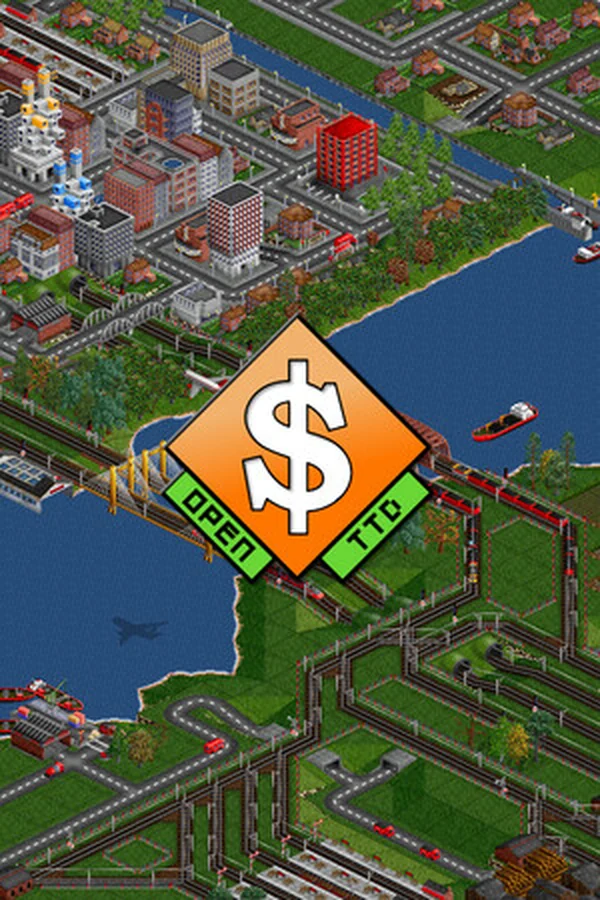
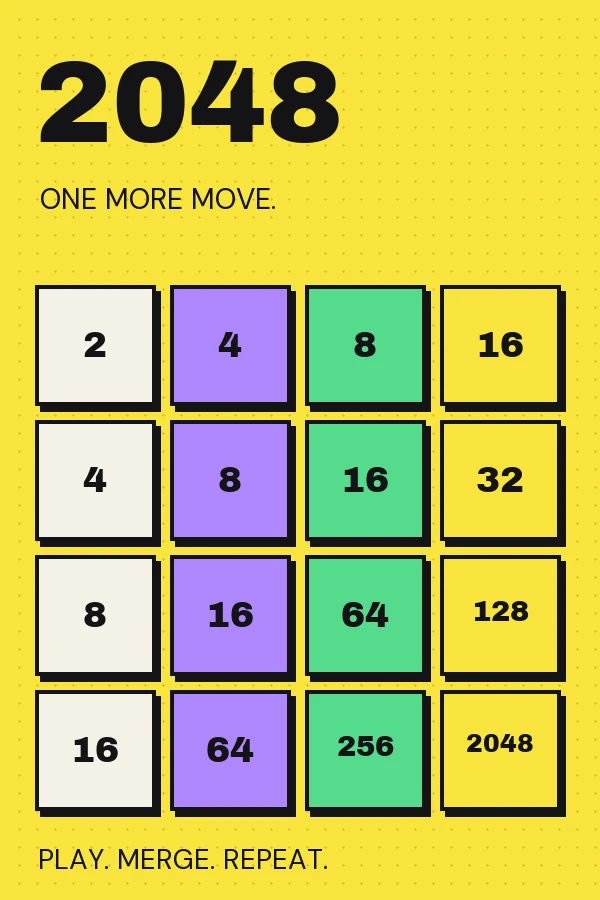
Browser strategy games can ask you to manage a transport company, command a real-time army, or preserve space on a small puzzle board. These experiences share a need to think ahead, but they differ in pace, control demands, and session length. This collection groups three clearly identified routes: Epicport's transport adaptation, Chrono Divide's Red Alert 2 recreation, and the original web-native 2048 puzzle. The last is explicitly a browser-native companion rather than a port. The purpose is to help you choose the planning experience you want rather than pretending these games belong to one identical technical category.
Begin with time and attention. A puzzle can make sense for a short break. A transport network can invite a much longer project. A real-time match may require uninterrupted attention and other connected players. The best recommendation depends on which of those constraints you have today. The cards lead to individual entries with source links and concrete setup notes. They do not mean that a multiplayer service, a cloud save, or a particular control scheme is guaranteed across every project. Read the relevant boundary before making a plan around a favorite game name.
A management interface often asks for precise selection, dragging, map movement, and several open windows. An RTS adds rapid changes in attention and the need to issue unambiguous commands. A grid puzzle may only need a few directional inputs. Those differences matter on a phone or trackpad. A touch-capable client can still be less comfortable for someone who expects mouse precision. Before committing to a long session, test the smallest meaningful action: place a structure, select a unit, or move a row. Then check whether the result matches your intention.
For mouse-driven projects, identify selection, order, cancel, and camera controls. If classic and modern command schemes are offered, choose deliberately. For keyboard shortcuts, avoid combinations that the browser consumes. Keep the interface readable by distinguishing page zoom from the game's own zoom. A larger viewport may provide more working space, but it does not change the underlying rules or eliminate every layout limitation. On touch, verify that the page does not scroll when you intend to interact with the map. These observations are specific to your device and should remain separate from a general claim that the project supports mobile access.
Transport companies and extended scenarios can absorb hours. Find out how a destination saves before that investment begins. Epicport's transport page states that login is needed to save or load, making account use a relevant condition rather than an incidental feature. Another project may rely on local browser storage or may only preserve an ongoing match for as long as its server remains available. Never assume that a familiar native save menu has identical consequences inside a web application. The surrounding frontend determines how virtual files reach durable storage.
A useful first test is intentionally small. Create an expendable session, make a recognizable change, save through the documented route, and confirm that it can be restored. If downloading a save is supported, keep an external copy and note the game version or destination. Avoid clearing site data as a reflex when something goes wrong. The data you remove may be the only copy of your progress. If an account is involved, read the destination's terms and use a distinct password. This directory does not operate those accounts or synchronize your company, match, or puzzle across the projects it lists.
A good strategy learning session isolates one idea. In a transport game, build a single route and watch whether it carries what you intended. In an RTS, establish a simple economy and production pattern before adding an elaborate attack plan. In 2048, observe how one directional move affects every tile rather than chasing an isolated merge. The common principle is to make the result understandable. A complicated opening can fail in several places, leaving you unsure whether the problem was input, rules, or decision-making. Small experiments produce clearer information.
Be cautious with guides written for another release. A current desktop transport tutorial, a historical Red Alert 2 build order, and advice for an unusual 2048 variant can all assume behavior absent from the destination you opened. Compare the interface and version before following exact instructions. Use general ideas such as preserving flexibility, observing feedback, and avoiding irreversible commitments, then adapt them to the actual project. The directory does not publish a tested competitive strategy for each build. It supplies a way to identify the right project and ask the questions that make your own exploration more productive.
A solo strategy game can often wait while you inspect an unfamiliar menu. A live match may not. Before inviting friends, establish the lobby process, account requirements, shared settings, and what happens if the host disconnects. If the project labels its multiplayer experimental, treat the first visit as a small test rather than the foundation of a long-running campaign. A working single-player menu is not proof that the multiplayer transport can reach the service from your network. Restrictive connections and browser policies can affect the two paths differently.
When you report a problem, include the precise project, mode, and stage. Saying that a lobby opens but a match fails is more useful than saying that strategy games do not work. Keep passwords, tokens, and commercial files out of public reports. Our source review records upstream descriptions and requirements; it is not an independent stress test of every server or a guarantee of compatibility with native clients. Choose a short puzzle, a considered transport experiment, or a multiplayer match according to the time and preparation you actually have. That is the value of this browser strategy collection: it makes distinct planning experiences easier to compare while keeping the practical conditions visible.
For a returning visit, keep the project link together with a short note about your chosen settings and save route. Strategy games encourage plans that extend beyond the first session, and remembering the environment is part of continuing that plan. If you share a recommendation, explain whether you mean a short puzzle, a solo management experiment, or a live match. Those descriptions help another player choose the right amount of time and attention. A recognizable title can attract interest, while a precise account of the setup is what turns that interest into a satisfying and realistic session.
Help the next player find it. Share a browser port with the collection.