1996

Action
GENRE / 3 GAMES TO DISCOVER
Explore tombs, race futuristic tracks, or enter a dungeon through a traceable web project.
A CLOSER LOOK
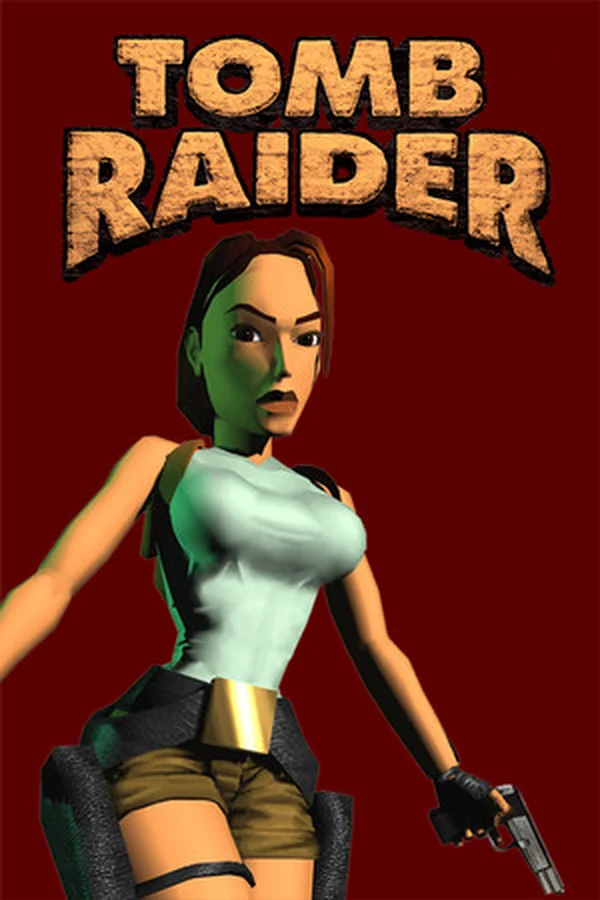
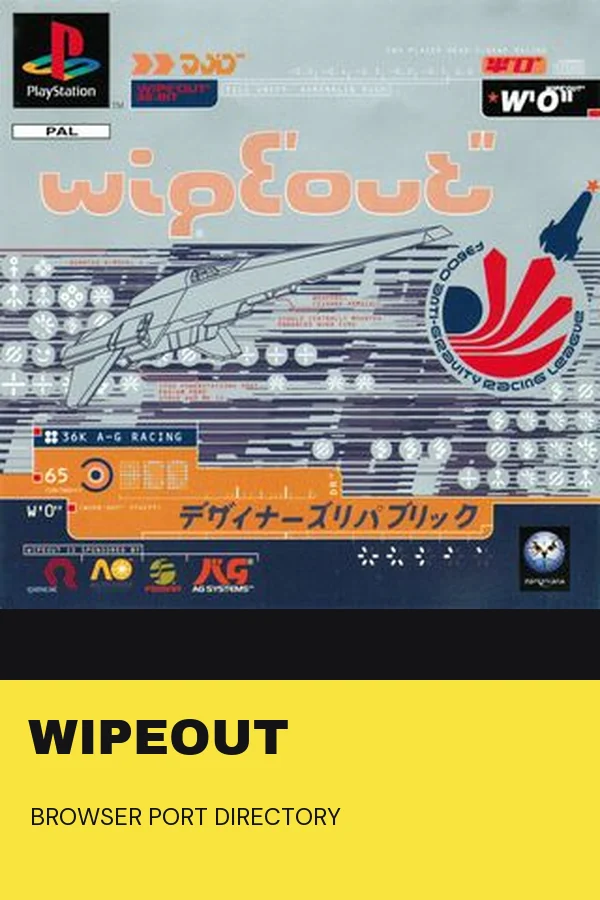
Browser action games can mean a careful jump across an ancient room, a high-speed turn on a futuristic track, or a tense encounter in a dungeon. This collection deliberately keeps those experiences distinct. OpenLara offers a Tomb Raider engine demonstration, Phoboslab presents a WipEout rewrite, and Diabloweb provides a Diablo route with a shareware starting point and an own-files requirement for the complete game. Their cards share a visual shelf because they reward active control, not because they have identical loaders, content scope, or technical behavior.
Start with the kind of attention you want to give. Exploration rewards observation and deliberate movement. Racing asks you to learn a course and repeat inputs consistently. A dungeon action RPG combines targeting with resource and inventory decisions. A short browser visit can tell you which experience feels appealing, but a familiar title should not replace reading the project note. In particular, a demo label matters. It describes a limited offering rather than an invisible promise of every commercial level. The individual entries explain these boundaries before sending you to the upstream destination.
A control label tells you where to begin, not how comfortable a whole session will be. A project may expose keyboard, touch, or gamepad input while still presenting a challenge on your particular device. Before committing, test a complete action cycle: move and interact, steer and brake, or select a target and open the inventory. That reveals conflicts that a menu-only check misses. Check how the game receives focus and how you can return to the page. Knowing the escape route from fullscreen or pointer capture makes experimenting less frustrating.
For Tomb Raider-style movement, separate orientation from timing. For WipEout, learn thrust and steering before adding airbrakes. For Diablo, check targeting accuracy and interface readability before entering a difficult situation. These are practical starting questions rather than tested walkthroughs for the hosted builds. A controller detected by the browser still needs a useful mapping, and a touch interface still needs enough room for your fingers. If the arrangement is awkward, try a supported alternative input rather than assuming that more processing power will fix a layout problem. Comfort often determines whether you want a ten-minute visit or an extended evening.
An open engine or web rewrite is a technical project. The commercial game's levels, music, artwork, and other data can remain separate. OpenLara's repository labels its WebGL destination as a demo level. Diabloweb documents shareware data and requires a legitimate DIABDAT.MPQ for the full Diablo experience. Those distinctions are central to choosing a route. Do not interpret a source repository as a general permission to download every asset from unrelated mirrors. This directory provides project links and explanations, not commercial archive bundles.
A no-files destination can still download substantial resources. Phoboslab's WipEout page makes a full-versus-minimal loading choice visible, which may matter on a limited connection. Read the current destination before opening it on mobile data or assuming silence means a failed audio download. An intentionally reduced version can omit presentation elements. If a loader asks for your own file, follow its exact format and preserve the original. Starting with the smallest documented setup gives you a clear baseline; mixing modifications and unknown archives before the first launch makes errors harder to understand.
A useful first visit should answer a practical question. For an adventure demo, can you move deliberately and understand the environment? For a racer, can you complete a lap with predictable controls? For a dungeon game, can you navigate the interface and preserve progress? Those goals make the session valuable without requiring a complete playthrough. They also prevent a short successful load from becoming an unsupported claim that every later level or mode works. Browser projects can have specific compatibility limits that only appear beyond the opening screen.
If a problem occurs, distinguish input confusion from an application fault. A missed jump is not automatically a rendering bug, and a silent minimal build is not necessarily missing music it was supposed to include. Check the upstream description and repeat a small, controlled action. If the failure is reproducible, note the destination, browser, device, and exact stage. Avoid refreshing repeatedly while a visible loader still progresses. Keep purchased data and private account information out of public reports. An observation tied to a particular setup helps both this directory and the project author far more than an unqualified statement that the game is broken.
Some action experiences fit a temporary session; others invite many hours of progress. Before investing in a character or campaign, inspect how the project saves and whether it offers an external backup route. The in-game save command and the web application's durable storage are separate layers. A record or character may belong to one browser origin and profile, so switching devices or clearing site data can affect what remains available. Test a disposable save where possible. If no persistence behavior is documented, treat the visit as exploratory until you know more.
There is also value in visiting a project simply to understand the preservation work. A browser demonstration can make a historic control scheme approachable without becoming the best long-term environment for every player. A maintained desktop setup may be preferable for a full campaign, extensive modifications, or dependable external saves. The directory does not force a single answer. It gives you traceable alternatives and the conditions that shape the choice. Our launch entries are based on upstream source review, not invented performance tests or claims of universal device support. Submit changed requirements and project links with a date, and distinguish published instructions from personal session observations. That keeps this browser action collection both inviting and credible as the underlying projects evolve.
A useful personal comparison can be simple: which project lets you perform its essential action reliably on the device you have? You do not need a technical benchmark to answer that question. Keep the result specific to the input and session you tried, and revisit it if the upstream project changes. When recommending a favorite, include whether it is a demo, which controls you used, and whether progress mattered. Those details are more helpful to another player than a sweeping ranking. They also respect the fact that exploration, racing, and dungeon play reward different kinds of attention.
Help the next player find it. Share a browser port with the collection.